ISLAMABAD: Pakistan has reached a preliminary agreement with the International Monetary Fund (IMF) on the latest reviews of two ongoing loan programmes, paving the way for the release of around $1.2 billion in fresh financing.
The agreement covers the review of Pakistan’s $7 billion Extended Fund Facility (EFF) and the $1.4 billion Resilience and Sustainability Facility (RSF).
The agreement still requires approval from the IMF’s Executive Board. Once approved, Pakistan is expected to receive the funds within four to five weeks. Around $1 billion is expected under the EFF, while approximately $210 million will be released under the RSF.
The latest disbursement would take Pakistan’s cumulative financing received under the two programmes to approximately $5.7 billion.
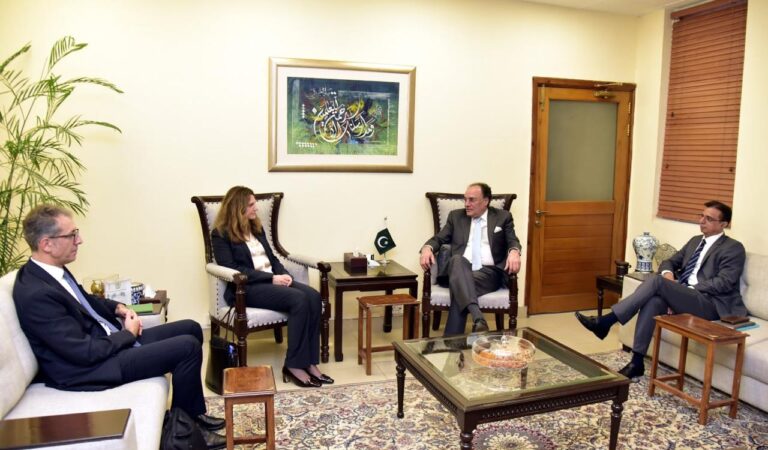
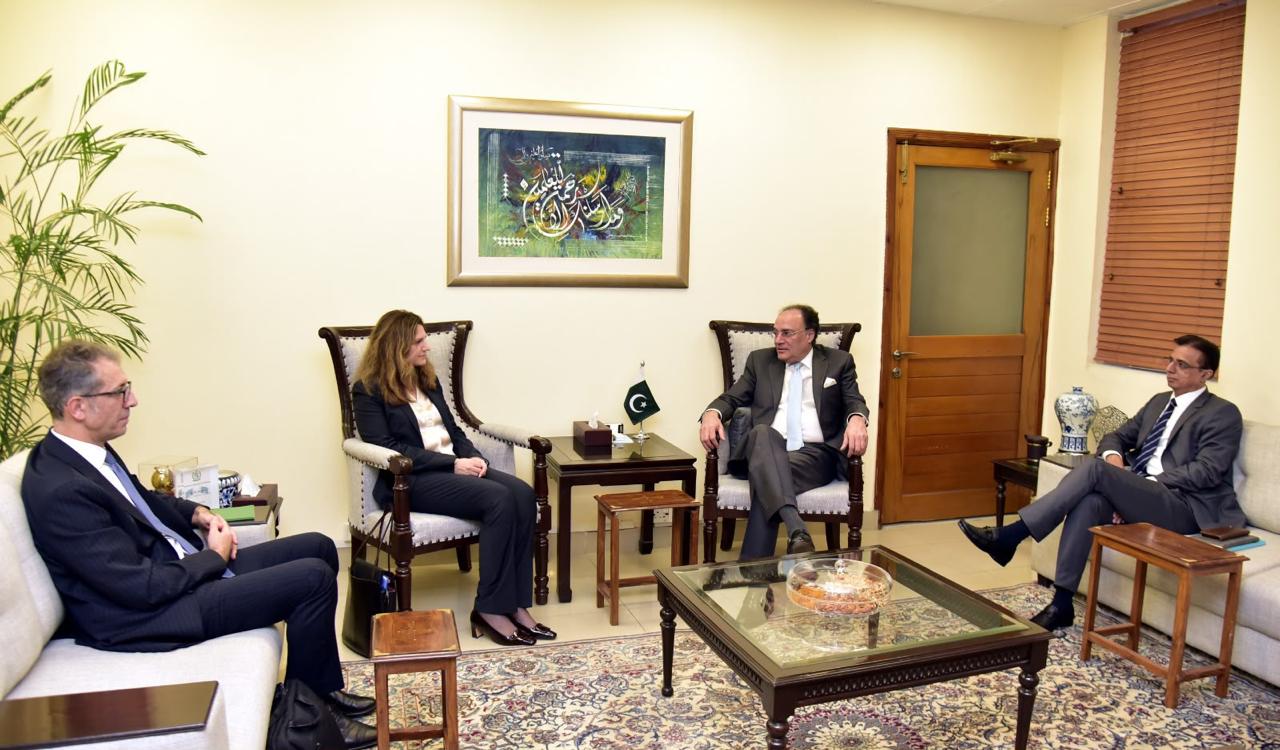
The IMF Mission Chief Ms. Iva Petrova held a wrap up session with the Federal Minister for Finance and Revenue, Senator Muhammad Aurangzeb, at the Q Block Pak Secretariat Islamabad. Secretary Finance Mr. Imdad Ulalh Bosal and IMF Resident Representative Mr. Mahir Binici were also present during the meeting. The talks also included the completion of the IMF’s annual assessment of Pakistan’s economy.
Pakistan’s Economy Remains on Track
The IMF said Pakistan has continued implementing its reform programme despite a challenging external environment, including heightened geopolitical tensions and the impact of the conflict in the Middle East.
Pakistan’s economic growth is estimated at 3.6% for the previous financial year, while inflation declined to around 10.3% in September, following its peak in May.
The country’s foreign exchange reserves also strengthened, reaching approximately $21.5 billion by the end of September, supported in part by strong remittance inflows from overseas Pakistanis.
Key Reforms Expected Under the IMF Programme
As part of the agreement, Pakistan is expected to continue implementing a range of fiscal, monetary and structural reforms.
Fuel subsidies
The government has been asked to wind down the costly fuel support scheme. Any future subsidy mechanism should be temporary, targeted and focused on vulnerable segments of the population.
Monetary policy
The IMF has called for maintaining sufficiently tight monetary conditions to ensure that inflation continues to decline and remains under control.
Tax reforms
Pakistan will need to maintain strict implementation of the recently approved budget while continuing efforts to make the tax system simpler, broader and more equitable.
Higher social-sector spending
The government has been encouraged to increase spending on health and education from 2.5% of GDP to 2.8% next year, while also expanding cash assistance for low-income households.
Energy-sector reforms
The IMF has stressed the importance of timely adjustments in electricity and gas tariffs to prevent the accumulation of fresh circular debt in the energy sector.
Climate and energy reforms
Pakistan is also expected to continue climate-related reforms, including improvements in water pricing and energy-efficiency measures.
External Risks Remain
Despite progress under the programme, the IMF warned that Pakistan continues to face significant external risks.
These include geopolitical tensions, volatile global energy prices, tighter international financial conditions and disruptions to global trade.
The IMF therefore emphasised the importance of maintaining policy discipline and continuing structural reforms to protect recent economic gains.
Pakistan’s IMF Programme: Background
Pakistan entered into the $7 billion Extended Fund Facility in July 2024, under which the country has received several instalments.
Negotiations in March ended without a final agreement, although the IMF Executive Board subsequently approved approximately $1.3 billion in May.
The latest staff-level agreement, subject to Executive Board approval, is expected to provide Pakistan with another significant injection of external financing while keeping the country’s economic reform program under the IMF framework.
About the Author