By Staff Correspondent
Islamabad, June 2026
Pakistan’s hydropower sector has entered the summer of 2026 on a stronger footing, with electricity generation from major dams and hydel stations rising sharply amid improved reservoir releases and seasonal river flows. The increase has provided relief to the national power system, reducing dependence on expensive imported fuels and helping contain electricity generation costs.
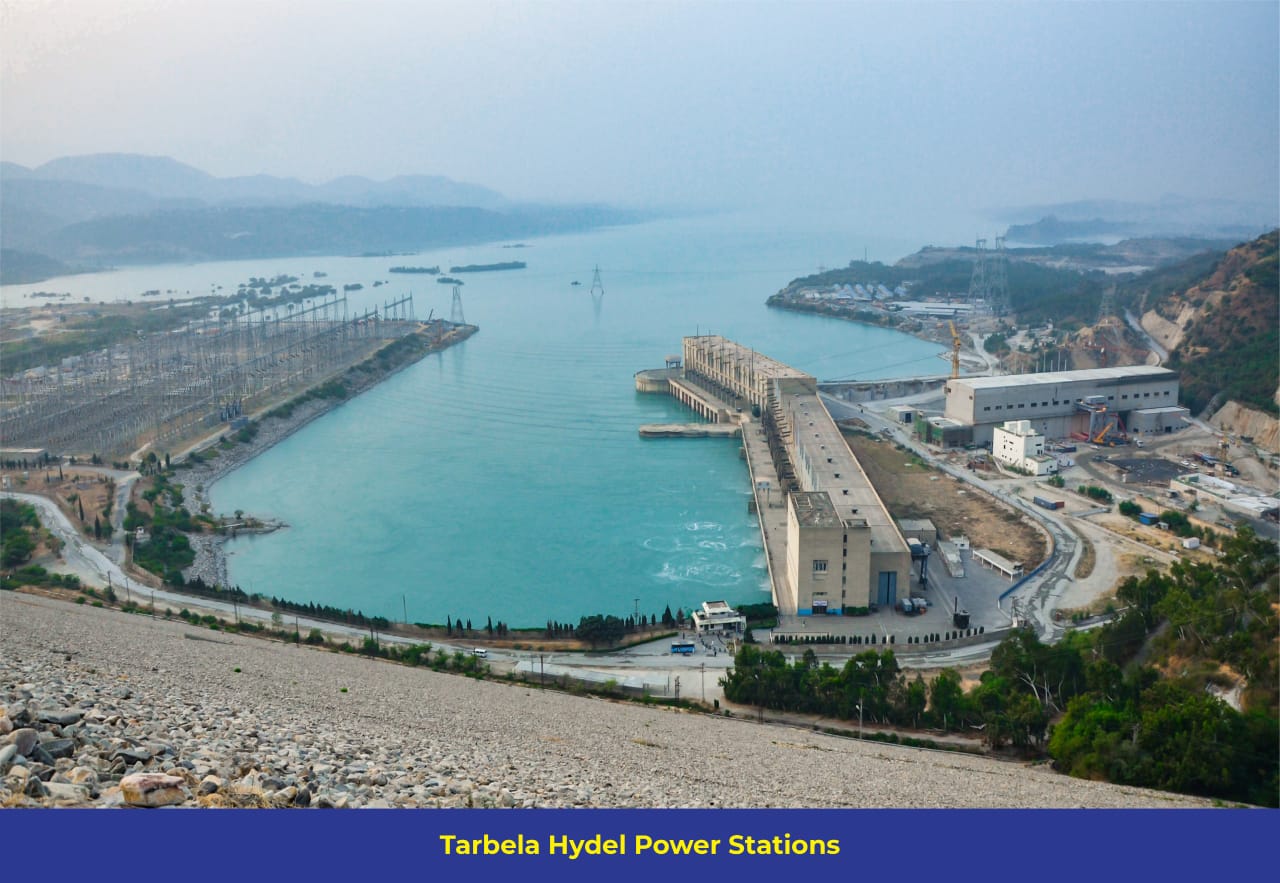
According to the Water and Power Development Authority (WAPDA), hydel generation crossed 6,100 megawatts (MW) during peak hours in May 2026 after increased water releases from reservoirs. Major contributors included Tarbela, Ghazi Barotha, Mangla, Warsak, and Chashma hydropower stations.
The performance follows a strong year for hydropower in 2025. WAPDA reported that its 22 hydel power stations generated 33.12 billion units of electricity during the year, accounting for roughly 30 percent of total electricity generation in the national system. Hydropower remained the country’s cheapest large-scale electricity source, with a reported tariff of Rs3.83 per unit.
Recent generation data suggest that hydropower’s role is becoming increasingly important. In March 2026 alone, hydel generation rose by more than 62 percent year-on-year to approximately 2,105 gigawatt-hours (GWh), while output from RLNG-fired plants fell sharply, reflecting both fuel economics and changing dispatch patterns.
A Growing Share of Pakistan’s Energy Mix
Hydropower remains Pakistan’s largest renewable energy source and one of the pillars of its electricity system. Government and regulatory data indicate that hydropower accounts for roughly one-quarter of installed generation capacity but contributes a larger share of actual electricity production because of its lower operating costs and preferential dispatch. In FY2024-25, hydroelectric plants generated about 31 percent of the country’s electricity output.
Pakistan’s total installed electricity generation capacity stood at approximately 46,600 MW. Of this, hydropower represented more than 11,000 MW, making it the largest source of renewable electricity in the country.
Expansion Projects Shape the Future
The sector’s outlook is closely tied to several mega projects under construction. WAPDA continues work on the Dasu Hydropower Project, while the Diamer-Bhasha Dam remains one of the country’s most ambitious infrastructure investments. Other projects, including Mohmand Dam and various regional hydropower schemes, are expected to add significant capacity over the coming years.
Energy planners view hydropower expansion as essential for reducing Pakistan’s reliance on imported fossil fuels, improving energy security, and lowering generation costs. Long-term planning documents envision substantial additions of renewable and hydropower capacity through 2035.
Climate Risks and Operational Constraints
Despite recent gains, the hydropower sector faces significant vulnerabilities. Generation remains heavily dependent on seasonal river flows, reservoir levels, and snowmelt patterns. Climate variability has increased uncertainty around water availability, while sedimentation in major reservoirs continues to reduce storage efficiency over time. Analysts also note that electricity demand growth, grid constraints, and broader power-sector inefficiencies can limit the full benefits of low-cost hydropower.
At the same time, rapid growth in rooftop solar installations is reshaping Pakistan’s electricity landscape. The expansion of distributed solar generation is reducing grid demand during daylight hours, creating new planning challenges for the national power system while reinforcing the need for flexible and low-cost generation sources such as hydropower.
Outlook
As Pakistan enters the high-flow summer season of 2026, hydropower is expected to remain a critical source of affordable electricity. Improved water availability has already boosted generation, helping reduce pressure on fuel imports and electricity tariffs. However, the sector’s long-term success will depend on timely completion of major dam projects, modernization of existing infrastructure, and effective management of climate-related water risks.
For policymakers, the message is clear: hydropower remains one of Pakistan’s strongest strategic assets, but realizing its full potential will require sustained investment, better water management, and integration with the country’s rapidly evolving renewable energy landscape.
About the Author