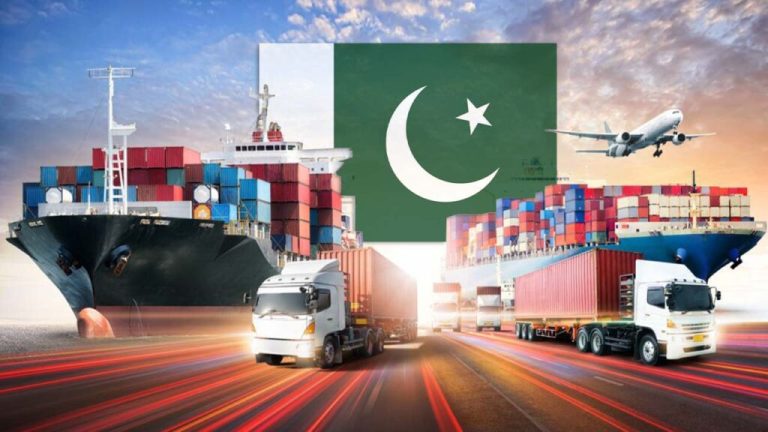
Islamabad, June 2026 — Pakistan is set to unveil its federal budget for fiscal year 2026–27 amid expectations of economic stabilization, IMF-backed reforms, and mounting demands for relief from inflation and taxation. The upcoming budget is expected to have an outlay of approximately Rs 17.1 trillion, will be presented by Finance Minister Muhammad Aurangzeb before the National Assembly on June 5.
The budget comes at a critical juncture for the economy. After achieving relative macroeconomic stability during FY2025–26, the government now faces the challenge of accelerating growth while maintaining fiscal discipline under commitments made to the International Monetary Fund (IMF).
Key Economic Targets
According to budget proposals under consideration, the government aims to achieve:
- GDP growth of around 4.1 percent
- Average inflation of approximately 8.4 percent
- Federal Board of Revenue (FBR) tax collection target of Rs 15.267 trillion
- Non-tax revenues of nearly Rs 2.8 trillion
- Federal Public Sector Development Programme (PSDP) allocation of about Rs 1.1 trillion
These targets reflect the government’s strategy to strengthen revenue collection while creating space for development spending and social protection programs.
Development Spending Under Pressure
The Annual Plan Coordination Committee (APCC) has recommended a national development outlay exceeding Rs 4 trillion, while federal development spending is expected to remain around Rs 1.1 trillion. However, planning authorities have acknowledged that funding constraints may force the postponement of several development projects, as ministries have sought allocations far exceeding available resources.
Infrastructure, transportation, energy, water resources, and digital transformation are expected to remain among the government’s development priorities.
IMF Influence and Fiscal Constraints
The FY2026–27 budget is widely viewed as an IMF-aligned budget. Pakistan remains committed to achieving a primary fiscal surplus and reducing untargeted subsidies.
One of the most significant measures under consideration is the reduction of power-sector subsidies to approximately Rs 830 billion, down from previous allocations. The government is expected to continue shifting support toward targeted cash assistance through social protection programs rather than broad-based subsidies.
Analysts believe the IMF’s fiscal framework will limit the government’s ability to announce major spending increases or large-scale tax concessions.
Relief Measures Under Consideration
Businesses and exporters are seeking tax relief to improve competitiveness. Among the proposals being reviewed is the withdrawal of the 1 percent advance tax on export proceeds, potentially providing relief of around Rs 100 billion to exporters.
The salaried class is also expecting adjustments in income tax slabs, although major reductions appear unlikely given revenue constraints.
Government employees and pensioners are closely watching the budget for announcements regarding salary and pension increases, but fiscal realities may restrict any substantial increases.
Challenges Ahead
Despite signs of economic recovery, Pakistan continues to face several structural challenges:
- High public debt servicing obligations
- Energy-sector circular debt
- Limited fiscal space
- Need for export-led growth
- Pressure to broaden the tax base
The government must therefore strike a delicate balance between maintaining fiscal discipline, encouraging investment, and providing relief to households affected by inflation.
Outlook
The FY2026–27 budget is expected to focus more on economic consolidation than expansion. While ambitious growth targets have been proposed, policymakers remain constrained by IMF commitments and limited fiscal resources. The success of the budget will depend on effective revenue mobilization, prudent expenditure management, and the government’s ability to stimulate private-sector investment.
As Parliament prepares to debate the budget, businesses, investors, and ordinary citizens alike will be watching closely for measures that can translate macroeconomic stability into sustainable economic growth and improved living standards.

About the Author